Thinking about building a new home or buying a resale in Hickman? You are not alone. With steady growth just south of Lincoln, many buyers weigh customization and shiny-new systems against mature neighborhoods and faster move-ins. In this guide, you will get local context, clear cost and timeline expectations, and practical checklists to help you decide what fits your move, budget, and lifestyle. Let’s dive in.
Hickman market at a glance
Hickman is a small but growing market, which means reported medians can swing month to month. Zillow’s index put the typical Hickman home value near 370,305 dollars as of January 31, 2026, while Redfin reported a median sale price around 316,000 dollars in December 2025. Different data sources use different windows and samples. For the most current local median and comps, rely on the MLS and a local agent who watches each week’s closings, and review city planning updates for neighborhood growth patterns through the City of Hickman’s Planning and Zoning page.
New build vs resale: quick fit
- You want specific floor plans or finishes. New construction offers design choices that are hard to find in resale inventory.
- You need to move in 1 to 3 months. Resale usually wins on speed, while a to-be-built home takes longer.
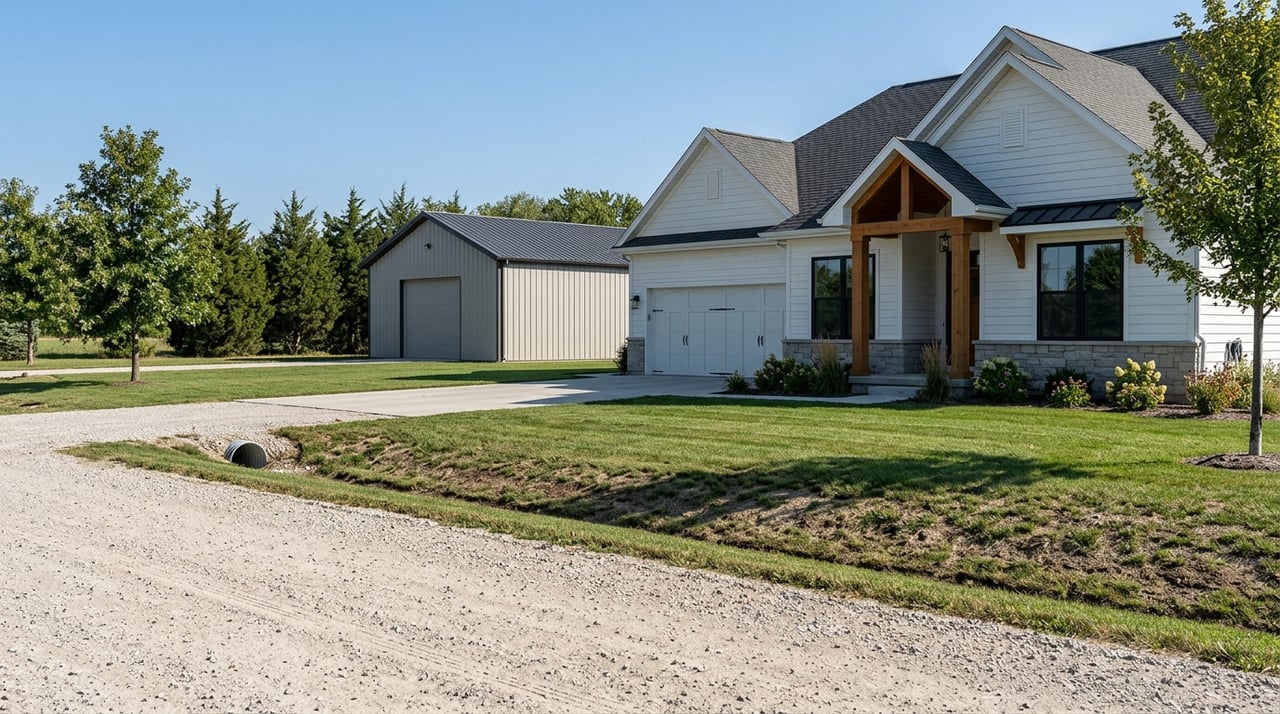
- You value larger lots on the edge of town. New subdivisions may offer options, and some acreage-style lots exist near Hickman. Older neighborhoods often offer mature landscapes and established streets.
- You want predictable maintenance in the first years. New systems and builder warranties reduce near-term repair risk. Resales can deliver character and location benefits with a known maintenance history.
Where new homes are going
Hickman’s growth is visible on its edges. On the east side, Terrace View features many single-family lots around roughly 0.18 to 0.25 acres, along with platted townhome sites. To the southwest, Walters Ridge markets larger parcels in the ballpark of about 0.67 to 0.91 acres, giving you more elbow room while staying near town services. These examples show the common trade-off: smaller, close-in lots with newer community amenities versus larger, semi-rural parcels with more space. For subdivision processes, permits, and plats, check the city’s planning resources.
Costs and financing
Price premiums and what is included
In many Midwest markets, new homes often carry a price premium over similar resales. A regional summary notes this pattern, though your exact spread varies by subdivision, lot, and finishes, so compare local comps carefully. Review a national overview on building versus buying from AmeriSave for context.
With new construction, look closely at what the base price includes. It is common for items like landscaping, window coverings, and some driveway or exterior details to be priced as options. Upgrades such as cabinetry, flooring, appliance packages, and site-specific grading can move the total budget. Ask for a written breakdown of base price versus options and any lot premiums.
Financing a build
If you build, you may use a construction-to-permanent loan where the lender makes draws as work is completed, then converts to a standard mortgage at the end. See Fannie Mae’s construction-to-permanent guide for how these loans are structured. Many lenders charge interest-only during construction and require plans, contracts, and staged inspections for draw approvals. A practical overview of the draw and inspection process is in this construction-loan guide.
Appraisals in new subdivisions can be tricky if there are few nearby closed sales. Appraisers may widen the search area or use the cost approach. Plan for the possibility of an appraisal gap and discuss cash reserves or alternatives with your lender. For background on appraisal methods in limited-comparable settings, see the standard text excerpt, The Appraisal of Real Estate.
Timeline and move timing
Typical build durations
National reporting puts average build time for a single-family home in the ballpark of 8 to 10 months from permit to completion, with custom projects taking longer. Weather, material lead times, and change orders can add weeks. Review a clear overview of build timelines from SoFi.
If you need to move fast
Resales typically close in 30 to 45 days with financing. If you are flexible on timing, a to-be-built home can deliver personalization and lower near-term maintenance. Spec or inventory homes that are already underway can shorten the wait, though selection choices may be limited.
Warranties and inspections
What builders typically warranty
Many builders or third-party providers use a 1-2-10 style warranty: one year on workmanship, two years on certain systems, and ten years on major structural elements. Always ask who administers the warranty, what is excluded, and whether it transfers to a future owner. For a plain-English overview of coverage types, see 2-10’s summary.
Independent inspections
Municipal inspections do not replace a buyer’s independent checks. Consider phased inspections: foundation or pre-pour if possible, pre-drywall, final, and an 11-month check before the workmanship warranty expires. Professional associations outline why third-party inspections are valuable in new builds. Review ASHI’s guidance on inspecting new homes.
Site and drainage details
Ask for grading plans and confirm who handles final lot work, sidewalks, and driveway finishes. On the edges of town, also ask about street and utility acceptance timing and any HOA responsibilities. The city’s planning page is a good starting point for local requirements.
Decision checklist
Use this quick gut-check to clarify your fit.
- Timeline: Do you need to move within 1 to 3 months? Resale is usually faster. For build durations, see SoFi’s timeline overview.
- Customization: Are you set on a layout or finishes you rarely see in resale? New construction can be the better path.
- Lot and character: Prefer newer infrastructure and lower near-term maintenance? New builds fit. Prefer mature trees or established street patterns? Resale often matches that goal.
- Budget: Account for lot premiums, options and upgrades, landscaping or driveway items that may not be included, plus potential temporary housing while you build. For a national compare, see AmeriSave’s guide.
Questions to ask a builder
- Are there lot premiums or special assessments for this specific lot? Can you share a written base price and options breakdown?
- Who administers the new-home warranty? Is it insured by a third party and is it transferable? Please provide the full warranty document. See a summary of typical coverage from 2-10.
- What is the estimated timeline from permit to completion? What are the contract allowances for weather or material delays? Get milestones in writing.
- What is the change-order policy and pricing for late selections?
- What is included in site closeout: driveway, topsoil and seed, grading, sidewalks? Is there an HOA, and what does it cover?
- Will you allow third-party phased inspections such as pre-drywall and final? Review ASHI’s take on new-home inspections.
- Which lenders are approved for construction-to-permanent financing? If there are incentives for using a preferred lender, get the full math in writing.
Questions to ask about resale
- Which closed sales support the price range? Smaller markets can have limited comps, so ask for the most relevant nearby closings.
- Are there any known unpermitted improvements or major past repairs? Ask for receipts and permits.
- If the home is near active new builds, how are appraisers treating those new-build closings as comparables? Learn why methods vary in The Appraisal of Real Estate.
Negotiation red flags with new builds
- You cannot review the warranty before signing.
- There is no milestone schedule or clear process for change orders.
- You are required to use the builder’s lender, but no transparent, written rate or fee guarantees are provided. Ask for an all-in, net-to-buyer comparison in writing.
Local examples to frame your choice
- Terrace View fit: You want a newer neighborhood near town with community amenities and manageable, roughly 0.2-acre lots. You value recent infrastructure, energy efficiency, and design choice.
- Walters Ridge fit: You want more land in the neighborhood range of about 0.67 to 0.91 acres, room for a larger footprint, and a setting with city utilities but a semi-rural feel.
Next steps
Still not sure which path fits your timing and budget? That is exactly where local guidance makes the difference. Let’s review build timelines, lot options, and resale comps side by side so you can make a confident choice. Reach out to Connie Reddish to schedule a free consultation.
FAQs
How do new-build prices compare to resale in Hickman?
- Many Midwest markets show a new-home premium over resale, but the spread varies by subdivision, lot, and finishes. Compare local comps and factor in options and site work. A national overview is available from AmeriSave.
How long does a new home usually take to build?
- A typical single-family build runs about 8 to 10 months from permit to completion, with custom projects taking longer. Timelines can change with weather, selections, and materials. See SoFi’s guide.
Do I need a construction loan to build?
- Most to-be-built projects use construction-to-permanent financing, which funds work in draws and converts to a standard mortgage at completion. Learn how C2P loans work from Fannie Mae and review a practical draw overview from this construction-loan guide.
Do I still need an inspection on a new home?
- Yes. Independent phased inspections, such as pre-drywall and final, help catch issues that municipal checks may miss. ASHI explains the value of inspecting new homes.
Where can I learn about Hickman permits and plats?
- Start with the City of Hickman’s Planning and Zoning page for subdivision processes, permit forms, and local development references.