Thinking about a smaller Nebraska city with real community spirit and an easy drive to Lincoln? Seward blends a historic downtown, proud traditions, and a steady rhythm of parks, schools, and local events that shape daily life. If you want a place where you can know your neighbors and still reach big-city jobs and services, this guide will help you see if Seward fits. You’ll learn about neighborhoods, housing costs, commutes, schools, and what weekends really look like here. Let’s dive in.
Seward at a glance
If you like data as much as drive-bys, here’s a quick snapshot grounded in the latest Census measures for Seward:
- Population: about 7,643 in 2020 with an estimated 7,752 in 2024
- Median household income: about $72,564
- Median owner home value: about $244,600
- Owner-occupied housing: about 60.6%
- Mean commute time: about 21.9 minutes
You can verify these figures in the U.S. Census Bureau’s QuickFacts for Seward. These numbers help set expectations for cost, pace, and housing stock. For location, Seward sits west of Lincoln with quick I‑80 access and is roughly 27 miles from Lincoln’s commercial airport, which supports common commuter patterns into the city.
Review Seward’s official QuickFacts and regional context from the Seward County economic development team.
Downtown character and traditions
Historic courthouse square
Seward’s identity shows up first in its historic core. The limestone courthouse, red-brick streets, Carnegie library, and bandstand create a classic courthouse-square scene. You feel the town’s pride when you stroll the shops and civic buildings around the district. Learn more about the Courthouse Square Historic District on the city’s history page.
Explore Seward’s historic background.
“Fourth of July City” energy
Seward is widely known as Nebraska’s Official Fourth of July City and has been branded “America’s Official Fourth of July City—Small Town USA.” The multi-day celebration includes a parade, car shows, craft fair, live entertainment, runs, and fireworks. If you are considering a move, visiting during the July 4 festival lets you see the community at full strength.
See the official July 4 schedule and details.
Arts, food, and weekend rhythm
You will find small venues and gathering spots that keep the calendar active between big festivals. Locals point to community performances, pop-up art, and cozy places to meet friends after work.
- Bottle Rocket Brewing is a casual downtown meetup spot with regular community events. Check out Bottle Rocket Brewing.
- Red Path Gallery & Tasting Room blends art and wine right off the square. See Red Path Gallery.
- Olde Glory Theatre hosts community productions and live performances. Visit Olde Glory Theatre.
The Nebraska National Guard Museum also adds a unique cultural stop and draws visitors during peak seasons.
Parks, trails, and recreation
For a city this size, Seward’s parks and programs are a standout. The city reports 11 parks, athletic fields, the Plum Creek Trail system, a large municipal pool, disc golf, and seasonal leagues for youth and adults. Summer brings swim lessons and events like the Freedom Run, while shoulder seasons still offer trail time and weekend tournaments.
Explore parks, programs, and facilities.
Schools and campus life
Seward Public Schools
Seward Public Schools operates the local elementary, middle, and high school. Community materials often highlight the district as a local strength, and families frequently cite the schools as a driver for moving to town. For programs, calendars, and the latest district information, go directly to the source.
Concordia University, Nebraska
Concordia University’s campus adds energy and seasonal rhythms to town life. Official reports place undergraduate enrollment in the low-to-mid 1,000s in recent fall semesters, which supports local arts, athletics, and small-business activity. You will also see some student rentals near campus.
Read Concordia’s recent enrollment news.
Healthcare and essential services
Memorial Health Care Systems, including Seward Memorial Hospital and local clinics, serves as the healthcare anchor. If proximity to emergency and specialty care is important to you, having a hospital in town is a practical advantage.
See Memorial Health Care Systems.
Jobs and the local economy
Seward’s economy is diversified for a small city. Major employers include manufacturing, higher education, healthcare, retail, and government. Examples often cited by local economic materials include Tenneco Inc., Concordia University, Hughes Brothers, Memorial Health Care Systems, and key banks and regional firms. This mix supports a steady base of jobs in and around town.
Learn more about leading employers and infrastructure.
Housing and neighborhoods
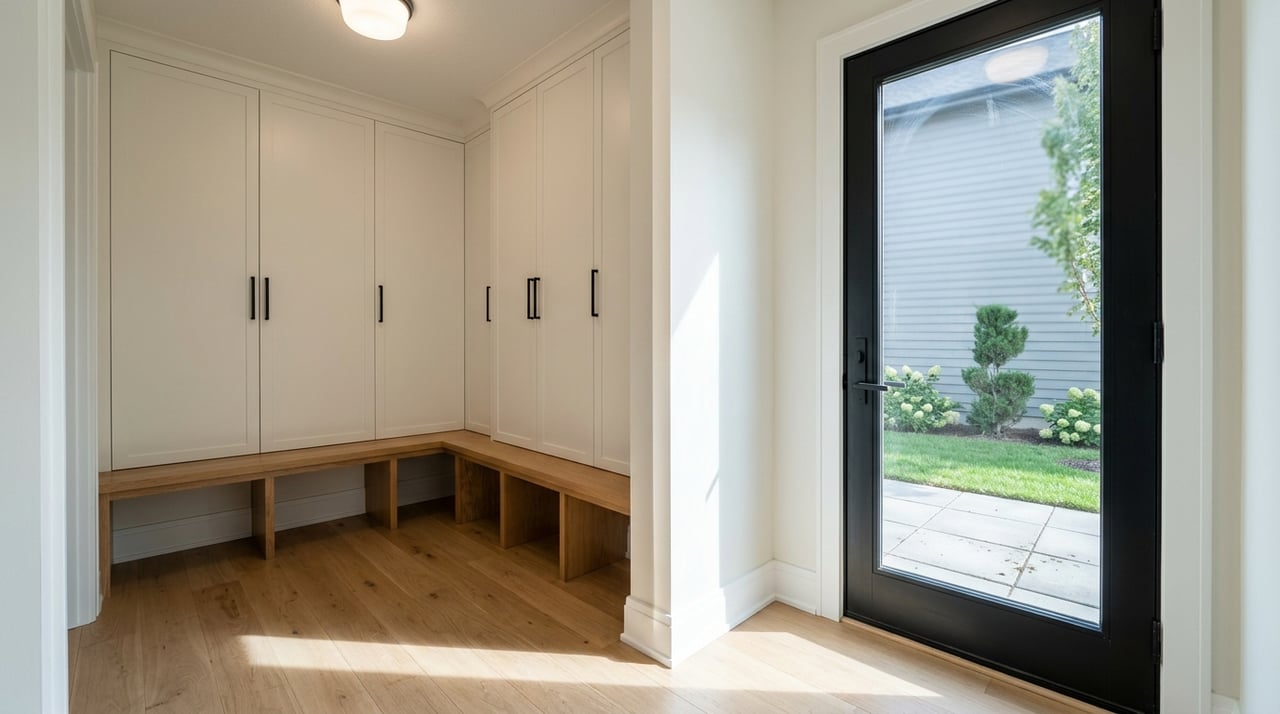
Expect a range of home styles across Seward:
- Historic homes near downtown and the courthouse square
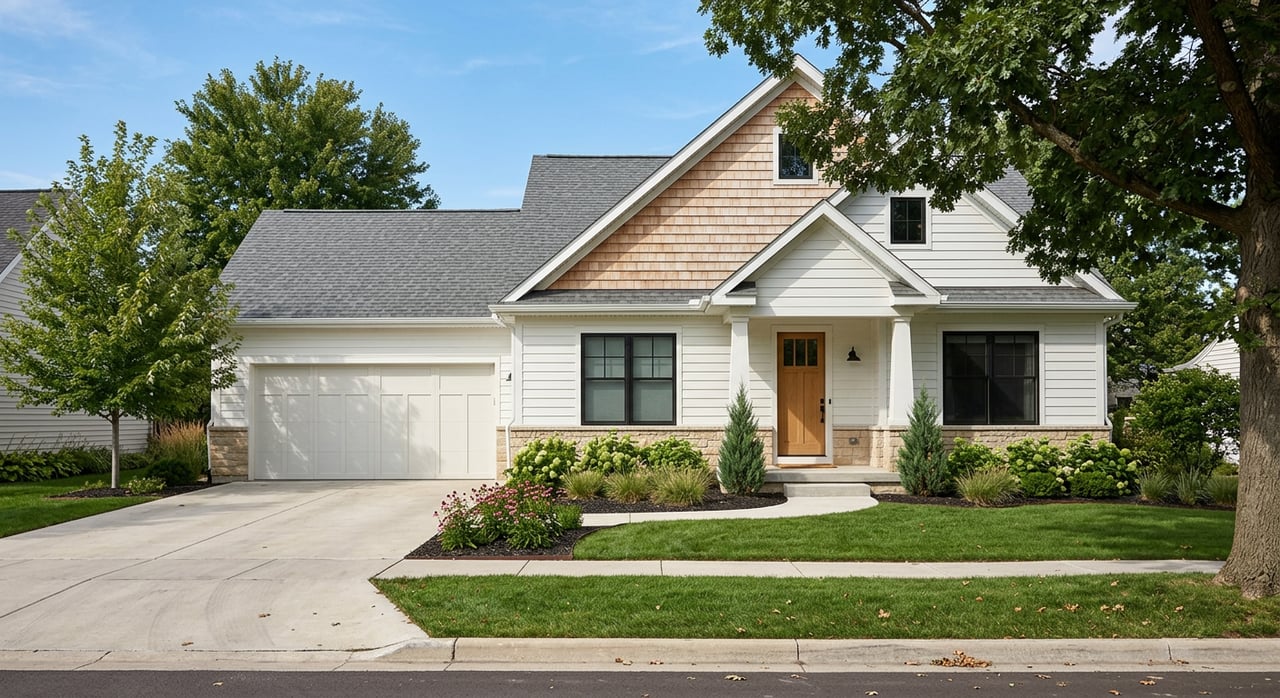
- Ranch and bungalow homes in established neighborhoods
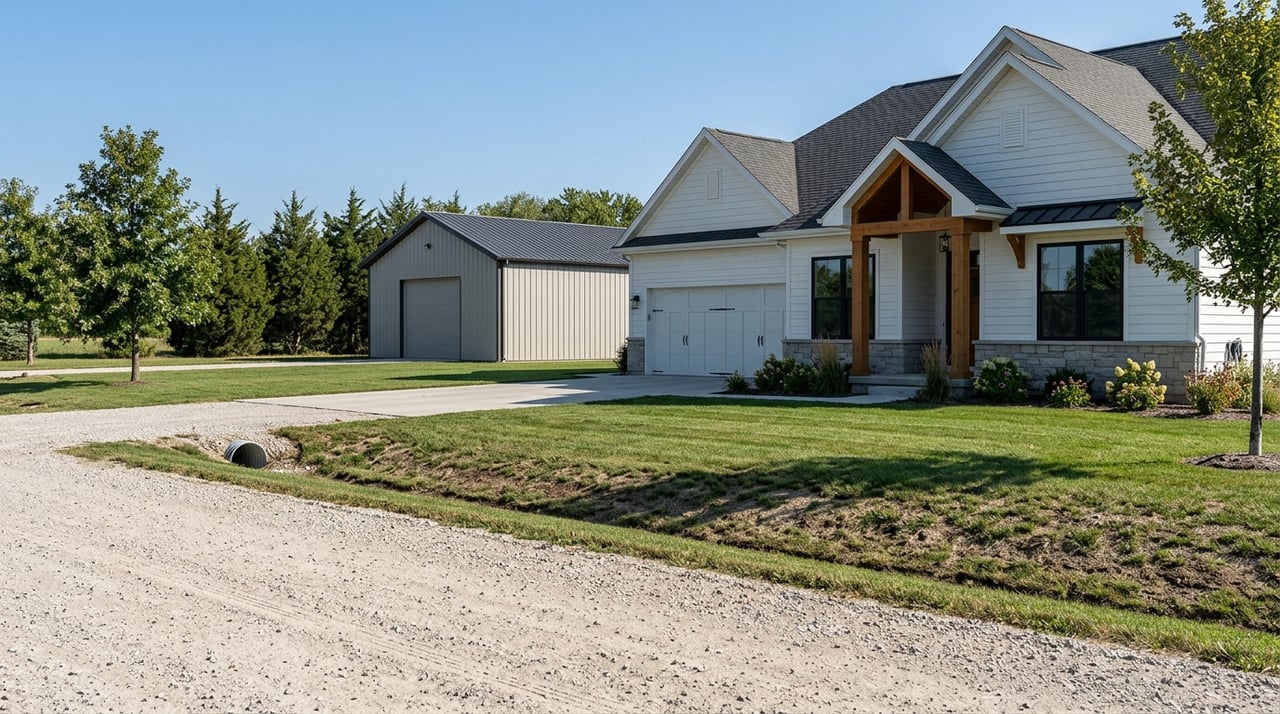
- Newer subdivisions on the edge of town
- Student-oriented rentals near Concordia University
For pricing context, the Census Bureau’s QuickFacts reports a median owner home value around $244,600. Recent market snapshots often cluster around the mid-$200k range, but inventory in a small city can shift quickly, which affects prices and days on market. If you are planning a move, get current, listing-level data and a clear view of timing before you write your offer.
Check the Census QuickFacts baseline.
Getting around and commute patterns
Cars are the default for most trips. The mean commute time is about 21.9 minutes, which reflects many short in-town drives plus commuter flows into Lincoln. Seward is roughly 27 miles from Lincoln’s airport and job centers, and you have quick access to I‑80 for regional travel. Public transit options are limited compared with a major metro, so plan on driving for daily needs.
Verify commute and regional info.
Daily life: what it feels like
Weekdays revolve around school and work, with evenings at the brewery or gallery, a theatre night, or a youth sports game. Weekends bring park time, trail walks along Plum Creek, and community events that pick up in spring and summer. The pace is easier than Lincoln, yet the calendar is surprisingly full when you want it to be.
Is Seward a fit for you?
Seward could work well if you want:
- A historic small-city core with strong civic pride
- July 4 traditions and festivals that bring the whole town out
- Short in-town commutes and a practical drive to Lincoln
- A mix of older homes, mid-century neighborhoods, and newer builds
- Parks, trails, and programs that stay active most of the year
Ready to move smart in Seward?
If Seward feels like your next step, you deserve a hands-on local plan. For up-to-the-minute pricing, on-the-ground neighborhood insights, and a smooth buy-sell timeline, connect with Connie Reddish. Schedule a free consultation and get a clear path from first tour to closing.
FAQs
What are typical home prices in Seward, Nebraska?
- Census data shows a median owner home value around $244,600; active listing prices vary by location, condition, and inventory at the time you buy.
How long is the commute from Seward to Lincoln?
- Many residents report a 25 to 35 minute drive depending on start point, route, and traffic; plan for about 27 miles to Lincoln’s airport area.
What makes Seward’s July 4 celebration special?
- The multi-day festival includes a parade, entertainment, vendors, and fireworks, and the city is recognized as Nebraska’s Official Fourth of July City.
What schools serve Seward residents?
- Seward Public Schools operates local K–12 schools, and Concordia University, Nebraska is located in town, adding campus events and seasonal activity.
What parks and recreation options will I find?
- The city maintains 11 parks, trails like the Plum Creek Trail, a municipal pool, disc golf, and seasonal leagues for youth and adults.
What healthcare is available in Seward?
- Memorial Health Care Systems provides local hospital care, clinics, and specialty services, which many buyers find convenient when relocating.